Wardogs, Season 2 update breaks down economy, logistics and air combat
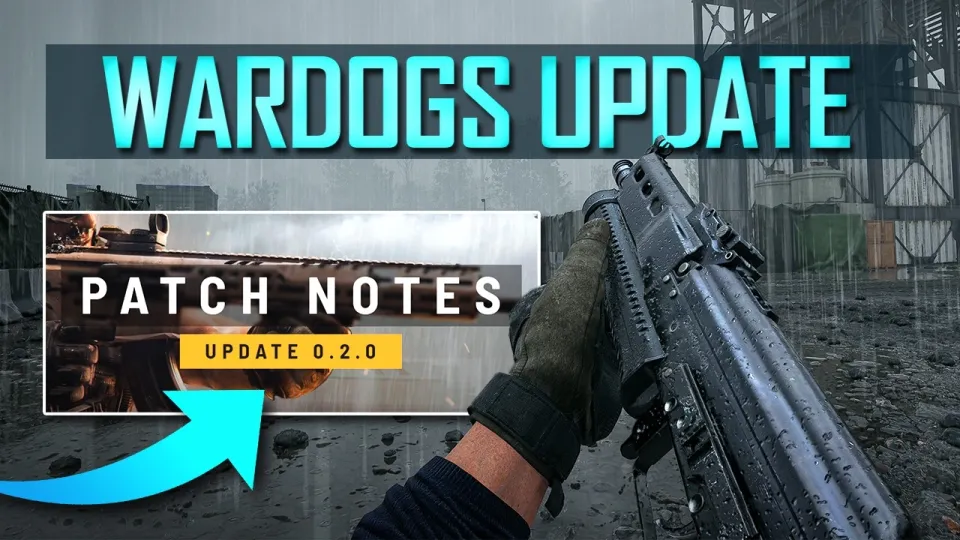
Video: WARDOGS New Season 2 Update ► EVERYTHING You Need To Know
You can order the same kind of articles for your own video to boost it on YouTube and Google. Just message the Telegram bot @sat_sit_bot. Articles with your video embedded are written and posted by the bot itself — on popular topical sites (no ads). Free trial — 50 articles.
· based on the channel GhostGaming
Wardogs Season 2 is a broad rebalance of the game's money loop rather than a content dump: the update rewrites how logistics deliveries and FOB construction pay out, raises the cost of attack helicopters, nerfs .50 cal damage by 16%, adds anti-air vehicles and introduces a squad intent list. Infantry combat is largely untouched, while drivers, builders and pilots have to work noticeably harder for the same income. GhostGaming's full breakdown of the patch is the fastest way to see the whole picture, and the streamer's Twitch channel carries live gameplay of the new season.
What the Wardogs Season 2 update changes at a glance
Season 2 targets the support economy first and air power second. The headline numbers from the patch notes:
- Supply pallets pay $1,250 base, plus a $2,500 bonus at a 10-delivery streak — figures the developers confirmed apply to drop-offs outside the combat zone, with the in-zone numbers listed separately in the patch notes.
- FOB construction and upkeep became more expensive across the board, so the same defensive position now consumes more supplies and more time.
- The .50 cal lost 16% of its damage, which pushes tier 2 armor out of one-shot range of the end-game sniper rifle.
- The minigun Little Bird runs roughly $14,000 when loaded with three flares, and a new anti-air platform (the Gepard) plus the Browning turret raise the risk of flying.
- A squad intent list lets squads post objectives team-wide, echoing the commander role older Battlefield titles had.
Small line-item changes are in the mix too — the SKS bipod moved from $800 to $810 — but they matter far less than the structural shifts above.
Logistics and FOB building after the payout rework
Logistics is the role that changed most, and not in the direction drivers hoped. Delivering pallets is now worth less per trip, the streak bonus only scales at volume, and FOB parts cost more, so a driver who makes one or two runs to top up a forward base earns less than in Season 1. The round-trip bonus for transporting players returns in modified form, but the old version was lost the moment a driver stepped out of the vehicle, which made it fragile in practice.
The practical consequence is that short opportunistic resupply runs — grabbing a URAL to stop a FOB's ammo from running dry — no longer pay enough to justify the trip. To match a fighting player's income, a driver now has to chain many deliveries in a single life, and the URAL itself earns less per load than before. Builders face the same squeeze from the other side: more supplies are needed per structure, so a base that once went up with a handful of pallets now eats several trucks' worth. A squad that hauled close to 100 pallets to a tower position in Season 1 could expect to hold; under Season 2 pricing the same effort buys fewer walls and less redundancy.
If you still want to run logistics, the efficient pattern is to stack deliveries into long uninterrupted routes, never leave the truck mid-run, and coordinate with builders so pallets land where they are actually consumed instead of sitting in a depot.
Air combat: helicopter costs, the .50 cal nerf and new anti-air
Pilots got hit from three directions at once in Season 2. First, the minigun Little Bird's price rose to about $14,000 fully loaded with three flares, which means a single mistake can wipe out thousands in value before any kill streak pays it back. Second, the .50 cal damage reduction of 16% weakens the mounted guns helicopters and vehicles rely on for suppression, and it also changes sniper duels — tier 2 armor can now absorb a hit from the end-game sniper rifle, with the sniper hit zones concentrated on the head and neck. Third, anti-air got stronger: the Gepard joins the roster and the Browning turret makes low passes over contested ground more dangerous.
The combined effect is that rocket helicopters become the more reliable platform, since they can clear entrenched positions — a sniper tower with both ladders blocked, for example — that infantry cannot easily reach. Minigun builds depend on long kill streaks and careful flare management to break even, and early in the season, before Gepards are widespread, is the window to fly them. Landing safely should also be rewarded more generously; the current payout structure double-penalizes pilots by raising purchase costs while cutting income.
Weapons, optics and quality-of-life changes
Infantry players come out of Season 2 in the best shape. The .50 cal nerf and the armor interaction shift slightly favor tier 2 plates, and the end-game sniper rifle loses some of its one-shot authority against protected targets. Optics are the sore point: several minimalistic low-zoom sights — the simple, uncluttered red dots many players want — sit behind late unlock levels, which forces a long grind for a basic attachment. Variable zoom scopes remain awkward to use because their keybinds were not addressed in this patch, a long-standing complaint that survived the update untouched.
The squad intent list is the notable quality-of-life addition. Squads can now broadcast what they are doing — attacking, defending, resupplying — so random teammates have a reason to converge on the same objective instead of scattering. It is not a full commander system, but it gives public matches a lightweight version of the map-wide coordination that older shooters handled with a dedicated commander slot.
Common concerns from the Wardogs community
The dominant worry is that fewer players will run logistics at all. If supply runs pay less than fighting, the reasoning goes, FOBs will dry up, forward spawns will disappear, and infantry will lose the infrastructure that makes wide maps playable. That is a fair read of the numbers, though the streak bonus does reward committed drivers who stay in the truck and deliver in bulk.
A second concern is progression: the driver role is no harder to level in raw XP terms, but the money per trip is lower, so unlocking vehicles and gear through logistics takes longer in practice. A third is pilot viability — the minigun Little Bird was already rare in Season 1 lobbies, and raising its price while adding anti-air looks like a nerf to a platform few people used. The counterargument is that weaker anti-air in some areas and the Gepard's late arrival may keep helicopters alive longer early in the season.
Finally, there is the pacing question: with the economy rebalanced, players expect tier 3 and tier 4 armor, tanks and heavier vehicles to appear within the first few hours of a season going live, which compresses the early-game feel.
Where to follow the full patch notes and gameplay
GhostGaming's channel is the source of this breakdown, and the description links every place the creator posts. The full official patch notes are the authority on exact values, including the in-zone supply numbers:
- Full patch notes: https://store.steampowered.com/news/app/1867240/view/670630562731396445
- Twitch: http://www.twitch.tv/ghostgaminggg
- Twitter: https://twitter.com/GhostGamingG
- Discord: https://discord.gg/MzkAVCy
- TikTok: https://www.tiktok.com/@ghostgaming_battlefield
Bottom line on Wardogs Season 2
Season 2 shifts Wardogs toward infantry-centric play by cutting support income and raising air costs. Logistics and FOB building require roughly three to four times the effort for comparable returns, the .50 cal is weaker by 16%, and pilots face a $14,000 minigun helicopter plus new anti-air threats. The squad intent list is a genuine improvement for team coordination, and the developers have shown they will adjust numbers when the community pushes back. For live matches and follow-up coverage of any hotfix, watch GhostGaming on Twitch.
Key takeaways
- Supply pallets now pay $1,250 base plus a $2,500 streak bonus at a 10-delivery streak, with the numbers listed for deliveries outside the combat zone.
- Logistics and FOB building were hit hardest: pallet values, FOB costs and construction were all rebalanced, making a single supply run far less profitable than in Season 1.
- The .50 cal received a 16% damage nerf, which lets tier 2 armor survive a shot from the end-game sniper rifle.
- The minigun Little Bird now costs about $14,000 fully loaded with three flares, while a new anti-air vehicle (the Gepard) and the Browning turret make piloting riskier.
- A squad intent list was added so squads can broadcast objectives, and variable zoom scope keybinds remain unfixed.
Questions & answers
How much does a supply pallet pay in Wardogs Season 2?
A pallet pays $1,250 base, and at a 10-delivery streak the bonus adds $2,500. Those figures apply to drop-offs outside the combat zone; the patch notes list the in-zone values separately, so check them before planning a route.
Is the minigun Little Bird still worth buying in Season 2?
It is a hard sell at roughly $14,000 fully loaded with three flares. You need long kill streaks and disciplined flare use to recoup the cost, and the new Gepard plus the Browning turret increase the chance of losing the airframe early.
Why did the .50 cal get nerfed?
The 16% damage reduction rebalances how mounted guns and sniper rifles interact with armor. Tier 2 plates can now survive a shot from the end-game sniper rifle, with hit zones focused on the head and neck, which shifts the advantage slightly toward protected infantry.
Will FOBs become useless if nobody runs logistics?
That is the main community fear, since fewer pallets mean fewer forward spawns. The streak bonus still rewards drivers who chain deliveries without leaving the truck, so organized squads that assign dedicated drivers can keep bases supplied, just at a higher cost in time and supplies.
Source: WARDOGS New Season 2 Update ► EVERYTHING You Need To Know · Markdown version